

Print Marketing vs. AI Information: What Small Businesses Need to Know Before They Get Left Behind

For years, marketing experts screamed the same thing from every digital rooftop:
“ P R I N T I S D E A D . ”
Meanwhile…
A local roofing company quietly mailed postcards across a storm-damaged neighborhood and booked out their next three months.
A family-owned restaurant stuffed menus into mailboxes and doubled takeout orders.
A boutique real estate agency sent luxury brochures that sat on kitchen counters long enough to close six-figure commissions.
So no…Print marketing didn’t die. It just stopped being flashy.
And now, in a world overflowing with AI-generated content, automated recommendations, and digital noise louder than a toddler with a drum set, print marketing is making a comeback.
But here’s where things get interesting. AI information systems are also transforming small businesses faster than almost anything we’ve seen before. Which creates a massive question. Should small businesses focus on traditional print marketing…or fully embrace AI-driven digital strategies?
The answer is neither. The businesses dominating right now are blending into one powerful marketing machine.
Let’s break down why.
Why Print Marketing Still Works for Small Businesses
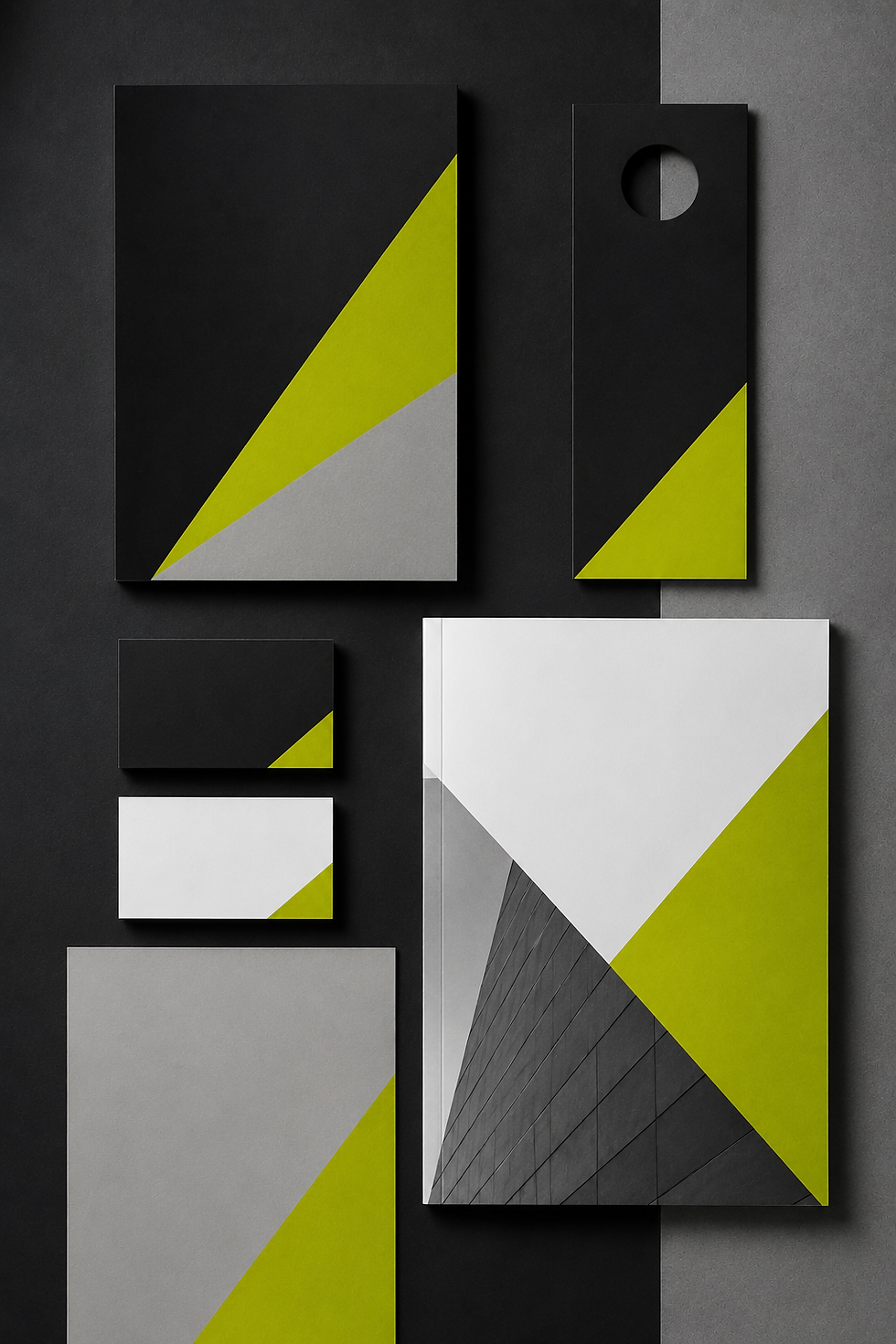
Print marketing includes things like:
Flyers
Postcards
Brochures
Door hangers
Catalogs
Business cards
Newspaper ads
Direct mail campaigns
And while it may seem “old-school,” print has one major advantage digital marketing desperately struggles with: Attention! Today’s consumers are drowning in digital overload.
The average person scrolls endlessly through:
Social Media
Emails
Ads
Notifications
Videos
AI-generated Content
Most online ads disappear from memory within seconds. But physical marketing materials live in the real world. A postcard can sit on a kitchen counter for weeks. A brochure can be passed between family members. A business card can remain in a wallet long after an Instagram ad is forgotten forever. That physical presence matters more than most businesses realize.
The Trust Factor:
Why Physical Marketing Feels More Credible
One of the biggest advantages print marketing has over digital advertising is trust. Consumers often associate printed materials with legitimacy and professionalism. Why? Because physical marketing feels intentional. Anybody can launch a Facebook ad in 15 minutes. But creating and distributing high-quality print campaigns requires effort, investment, and planning. That subconsciously signals credibility.
This is especially powerful for industries where trust heavily influences buying decisions, such as:
Healthcare
Real Estate
Financial Services
Legal Services
Home Improvement
Luxury Products
For local businesses trying to establish authority in their communities, print can still be incredibly effective.
AI Information Systems Are Changing Consumer Behavior
Now let’s flip to the other side of the battlefield.
Artificial intelligence is rapidly changing how consumers find businesses, compare options, and make decisions.

Instead of manually searching websites or browsing endless listings, people increasingly rely on:
AI assistants
Smart recommendations
Predictive search
Chatbots
Personalized algorithms
Automated review summaries
In many cases, AI doesn’t just help users search. It chooses what they see. That’s a massive shift. Small businesses are no longer competing solely for customer attention. They’re competing for algorithmic visibility.
How AI Helps Small Businesses Compete
The good news? AI gives small businesses access to tools that were once only available to giant corporations.
Today, a small business owner can use AI to:
Automate email marketing
Write ad copy
Personalize customer interactions
Analyze purchasing behavior
Improve SEO
Predict customer trends
Provide instant customer support
Without hiring a giant marketing department. AI dramatically reduces operational friction. Tasks that once took hours can now happen in minutes. That creates a huge opportunity for small businesses with limited budgets.
The Dangerous Side of AI Marketing
But there’s another side to this.
As AI becomes the gatekeeper of information, many businesses risk becoming invisible.
Here’s why.
AI systems prioritize businesses that have:
Strong online reviews
Accurate business information
Active digital engagement
Optimized websites
Authority signals
Structured data
If a business lacks a strong online presence, AI-powered systems may simply stop recommending them. That means some businesses could lose visibility entirely, even if they provide amazing products or services. This is where relying solely on AI-driven digital marketing becomes risky. Because algorithms change constantly. And businesses that build their entire customer acquisition strategy around platforms they don’t control are vulnerable.
Print Marketing Creates What AI Cannot
Here’s something many marketers forget:
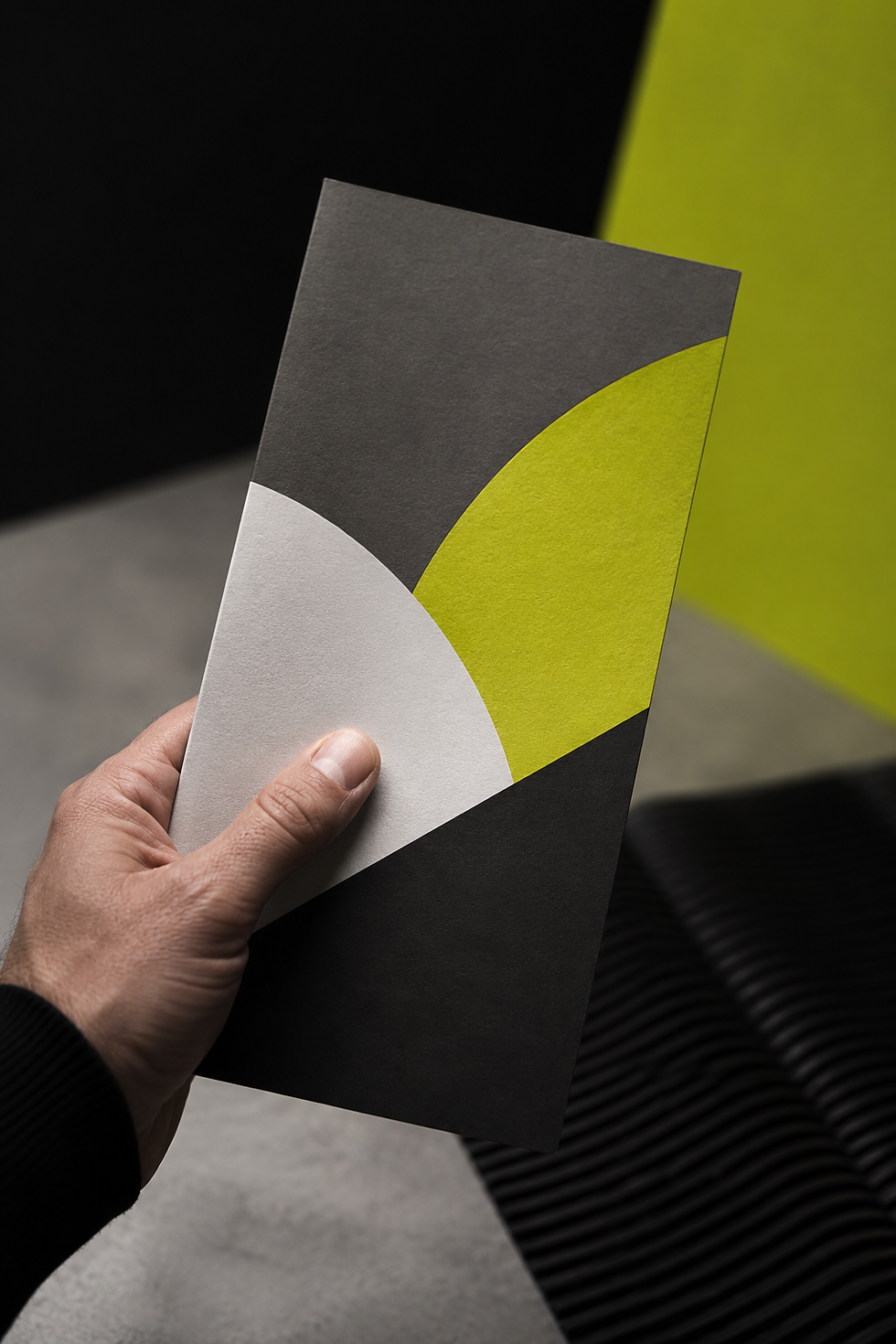
Humans are emotional creatures. We still crave physical experiences. We still respond to tactile sensations. We still trust what feels tangible.
AI can optimize efficiency…But it cannot fully replace human connection.
Print marketing creates:
Familiarity
Emotional resonance
Physical memory
Local presence
Sensory engagement
A beautifully designed luxury brochure creates a completely different emotional response than a banner ad squeezed between cat videos and conspiracy theories. That matters!
Especially for businesses selling:
High-ticket services
Luxury products
Healthcare services
Home services
Community-based businesses
The Smartest Businesses Use Both
Businesses seeing the strongest growth right now are not choosing between print and AI. They’re integrating them together.
For example: A local dental practice sends direct-mail postcards offering free consultations.
Those postcards include:
QR codes
Online scheduling links
AI-powered chatbot assistance
Automated SMS follow-up campaigns
The print campaign builds trust and attention. The AI system scales communication and conversion. That combination is incredibly powerful.
Another example: A landscaping company mails seasonal flyers to homeowners in specific ZIP codes. Once homeowners visit the website, AI-driven remarketing ads follow them online with personalized offers.
Now the customer experiences both:
Physical brand familiarity
Digital Reinforcement
That dramatically increases conversion rates.
What Small Businesses Should Do Right Now
If you currently rely heavily on print marketing, don’t abandon it.
Instead:
Connect print campaigns to digital funnels
Use QR codes
Collect emails and phone numbers
Automate follow-up communication
Integrate AI-powered customer service tools
Print should initiate trust. AI should amplify relationships.
On the other hand, if your business relies entirely on digital marketing, consider adding physical touchpoints to stand out from the endless online noise. Because while AI is making information infinite…Authenticity is becoming rare, and rarity attracts attention.
F I N A L T H O U G H T S
The future of small business marketing is not “traditional versus modern.” It’s not print versus AI.
It’s human psychology combined with intelligent automation. Print marketing works because it creates trust, memorability, and real-world attention. AI works because it creates speed, personalization, and scalability.
Businesses that understand how to combine both will have a major competitive advantage in the years ahead. Because in a world where everyone is fighting for clicks…


Comments